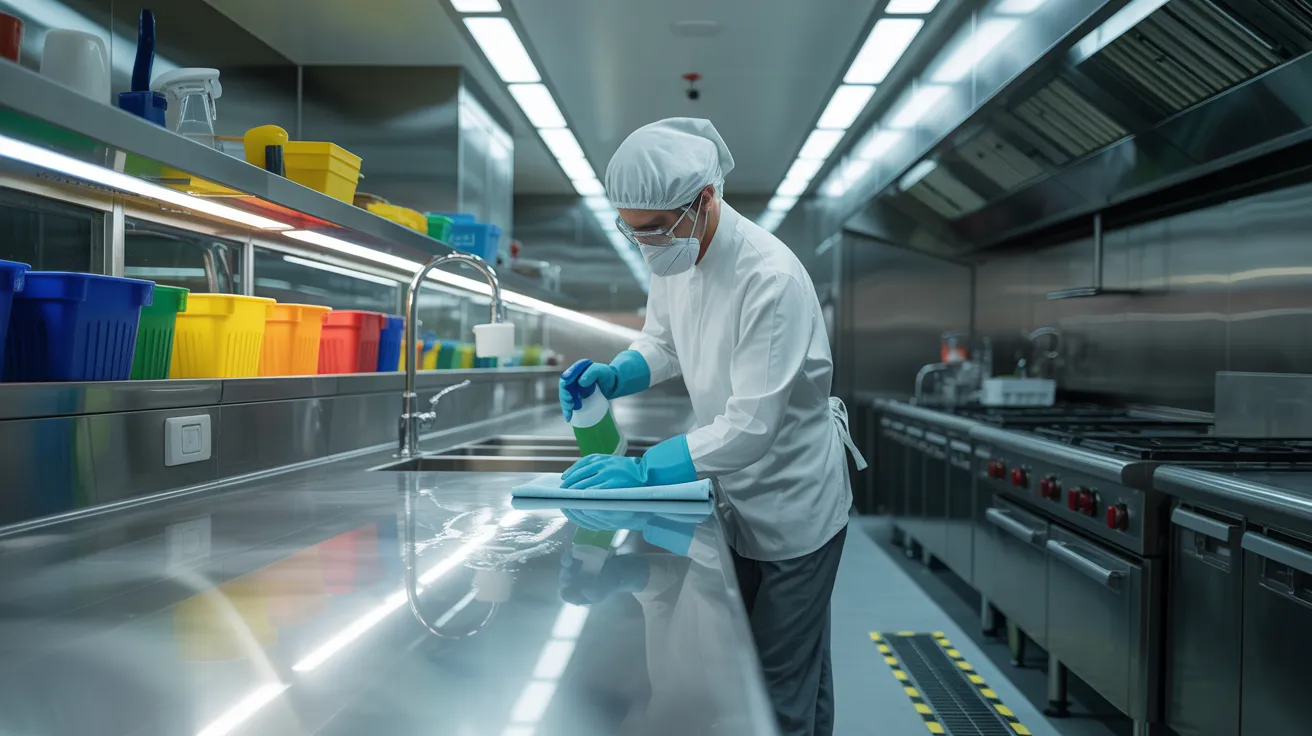
Food hygiene and commercial cleaning experts in Brampton support your business in maintaining restaurants, commissaries, bakeries, warehouses, and food service units in compliance. They sanitize frequently touched areas, food-contact surfaces, equipment, floors, drains, restrooms, and food handling zones with approved chemicals, correct concentration, and recorded contact times.
Essential Summary
- Brampton's food safety cleaning specialists support restaurants, grocery departments, commissaries, warehouses, bakeries, schools, mobile vendors, and allergen-sensitive operations.
- Cross-contamination avoidance is ensured by sanitizing frequently contacted areas, food-contact equipment, kitchens, floors, drains, restrooms, and storage areas with sectional methods.
- Proper chemical concentration, alignment, and exposure duration are confirmed by qualified contractors, with completion recorded via swabs, assessments, and corrective-action records.
- Optimal maintenance calendars account for hazard, throughput, format changes, incidents, and regulations when distributing daily, periodic, and annual tasks by area.
- Emphasize providers exhibiting HACCP, health regulatory expertise, safety training instruction, coverage, testimonials, color-categorized implements, and inspection-ready sanitation files.
Brampton Venues That Need Food Safety Cleaning: Which Ones?
Food safety cleaning is mandatory for any Brampton facility that manages, stores, prepares, packages, or distributes food. Apply it to your establishment if it is subject to health inspections, food codes, or HACCP requirements. This includes dining establishments, break rooms, distribution centers, market departments, meat shops, fish areas, stores, and food prep kitchens.
You'll equally need documented food sanitation in warehouses, food manufacturing plants, cold storage sites, retail bakeries, school nutrition programs, banquet halls, and meal delivery hubs. Seasonal and mobile ventures matter as well, including mobile kitchens, market vendors, and seasonal booths. Should your employees work with ingredients, section ready-to-serve foods, heat meals, or keep allergens stored, your facility requires documented cleaning protocols. In Brampton, food safety continues to be required; it represents lawful, operational, and customer protection standards.
What Do Brampton Cleaning Professionals Handle?
Your operation needs cleaning professionals who disinfect frequently contacted surfaces, cooking and food prep areas, all floor types, and toilet facilities to maintain food safety compliance and public health standards. These zones receive attention due to their elevated cross-contamination potential, trip and slip dangers, and violations of hygiene standards.
When you understand what they clean, you can ensure your operation's cleaning procedures satisfy compliance and operational standards.
Sanitizing High-Touch Areas
establish a disinfection plan
following directional processes, and dividing sanitization equipment by zone
Kitchen Areas, Floor Surfaces, and Bathroom Spaces
Brampton cleaning services zero in on kitchens, floors, and restrooms as each zone involves distinct sanitation, slip-and-fall, and wellness risks. In industrial kitchens, you need grease removal from cooking stations, appliance surfaces, drain systems, preparation areas, and backsplashes to minimize contamination and pest pressure.
Professional floor care with documentation is also included. is likewise provided as part of the service.
Restroom cleaning requires disinfecting touch areas, bathroom equipment, stall barriers, supply stations, and bins, restocking supplies and controlling odours. They also maintain restaurant cleaning supply rooms where product storage, sink cleanliness, and drain systems impact daily sanitation standards and worker protection.
How Food Safety Cleaning Benefits Brampton Operations
Brampton operations require proper hygiene standards to meet health code requirements and pass audits. You also minimize cross-contamination by cleaning and sanitizing food-contact surfaces, equipment, and high-touch areas correctly. Most importantly, you safeguard community wellness by reducing the chance of food poisoning in your establishment.
Regulatory Code Requirements
Since Brampton food companies must follow rigorous sanitary regulations, your cleaning procedures directly influences your competence to adhere to health codes, ensure the safety of diners, and prevent regulatory penalties. You must maintain clean food preparation areas, verifiable cleaning logs, correct sanitizer application, and documented employee protocols that align with municipal and provincial inspection expectations.
During inspections of your operation, auditors evaluate if your cleaning procedures ensures protected inventory management, equipment sanitation, trash control, and facility cleanliness.
Cross-Contamination Prevention
Adhering to regulatory guidelines requires your skill in preventing cross-contamination throughout routine preparation and sanitation work. You need to isolate uncooked items from finished products, sanitize work stations after each task, and keep chemicals away from food-contact items. Organized systems minimize contamination events and maintain ongoing regulatory adherence.
You should establish allergen separation to keep priority allergens from contacting common work areas, storage bins, or tools. Employ separate boards, labeled implements, and strict utensil labeling so staff don't mix items during preparation or service. Mandate washing hands following uncooked proteins, shellfish, egg items, or allergen products. Change cleaning rags frequently, and verify sanitizer strength with test strips. When staff members receive training on these procedures each work period, you build a more hygienic, secure workplace that satisfies Brampton's safety standards daily.
Public Health Safeguarding
When food safety cleaning fails, you don't just face inspection failure—you increase the chance of foodborne illness impacting customers, staff, and the wider Brampton community. You also undermine your responsibility in safeguarding community wellness, especially in busy food facilities where contamination can spread quickly through surfaces, equipment, and touchpoints.
You need cleaning protocols that remove soils, disinfect properly, and verify results. That requires adhering to exposure periods, using approved disinfectants, recording cleaning times, and training staff to meet regulatory standards. These measures facilitate pathogen reduction by lowering microbial loads before they reach food or hands. In Brampton, strong sanitation shields at-risk groups, limits outbreak potential, and enables you to show due diligence. When you clean to standard, you exceed basic requirements—you actively reduce risk and promote secure food handling citywide.
How Does Cleaning Support Food Safety Compliance?
Upholding comprehensive cleaning schedules backs food safety compliance by decreasing contamination threats, controlling pathogen growth, and ensuring your facility complies with sanitation requirements under HACCP-based programs and public health regulations. You confirm that food-handling surfaces appear visibly clean and microbiologically controlled, facilitating documented preventive controls and inspection readiness.
Diligent cleaning moreover strengthens allergen prevention by extracting residues that can provoke undeclared allergen exposure. When you match verified sanitation methods with safety training, your staff can adhere to uniform procedures, apply approved chemicals accurately, update records thoroughly, and manage deviations ahead of problems worsen. Ongoing cleaning enables traceability, validates remediation efforts, and exhibits accountability throughout audits. Additionally, it assists you preserve product integrity, sustain compliance standards, thorough guide and lower the chances of regulatory actions, recalls, complaints, and avoidable health dangers.
What's the Best Time to Plan Commercial Cleaning?
surfaces can collect contamination
facility shutdowns, seasonal soil accumulation, or pest pressure times
How Do You Choose Brampton Cleaning Experts?
Begin by evaluating providers based on sanitation compliance standards—not solely on budget. You should confirm that each organization comprehends CFIA, public health, and HACCP-aligned expectations applicable to your facility. Request proof of insurance, WHMIS compliance, staff training documentation, and oversight procedures. Assess whether technicians recognize cross-contamination risks, chemical handling protocols, and verifiable sanitation records.
You should also assess business dependability and accountability. Request references from Brampton food businesses, then examine response times, corrective actions, and communication standards. Confirm the company participates in supplier audits and can present inspection-ready documentation when regulators or third parties request evidence. Check whether equipment maintenance is performed, colour-coded tools are used appropriately, and site-specific hazards are recognized. A qualified provider protects regulatory adherence, product integrity, and your brand reputation.
What aspects should a Food Safety Cleaning Plan include?
Document a framework that outlines every sanitation activity, guideline, and role before starting production. You should include cleaning schedules, approved products, ratios, contact periods, tools, and validation approaches for each area, surface, and device. Remember to add pre-operational inspections, corrective actions, and employee training requirements.
Your strategy should also focus on contamination prevention controls, waste handling procedures, pest management measures, and written schedules for rest areas, drains, flooring, and food-contact surfaces. Describe how you'll separate raw and ready-to-eat processes, facilitate ingredient tracking, and ensure accurate allergen labeling through validated cleaning between product changes. You should set accountability, keep signed records, and assess results against regulatory standards, HACCP controls, and customer requirements. When gaps appear, modify procedures immediately and instruct staff.
Popular Inquired Inquiries
Are cleaning services available for nighttime operations in Brampton facilities?
Yes, you can arrange cleaning services to support overnight shifts in Brampton facilities. You'll organize overnight sanitation around operational windows, access requirements, and staffing levels. Providers generally create nighttime procedures to reduce interruption, maintain standards, and track completed work. You should verify response times, management, lockout protocols, and disposal procedures before starting service.
Will sanitation professionals address hazardous incidents?
Yes, you can expect Brampton sanitation professionals who offer hazard containment services. They handle contamination, evaluate dangers, isolate affected areas, and start rapid decontamination to minimize risk and avoid operational disruption. You should confirm response times, training certifications, safety procedures, and disposal procedures. If your facility must comply with industry standards, select a service that records events, follows compliant standards, and supports audit readiness.
Are plant-based disinfectants appropriate for food preparation areas?
Yes, eco-friendly disinfectants can be appropriate for surfaces contacting food if you choose products labeled food safe and complying with regulations. You should verify exposure duration, dilution ratios, and rinse procedures before deployment. Many plant based formulas minimize chemical burden, but you require demonstration of efficacy against harmful bacteria. To preserve residue-free areas, you need to follow manufacturer directions precisely and confirm the disinfecting agent adheres to food sanitation requirements.
Do sanitation programs enable seasonal variations?
Certainly, cleaning schedules accommodate seasonal variations well. Adapt schedules, staff levels, chemicals, and validation steps to fit with production rhythms while sustaining regulatory adherence. Limit operational delays by timing disinfection around changeovers, high demand periods, and operational patterns. Also revise standard operating procedures, instruction programs, and monitoring protocols to reflect transient threats, novel allergens, or increased soiling. Regular reviews maintain the schedule functional.
Will professional cleaning services teach employees on hygiene best practices?
Indeed, commercial cleaning providers often offer staff training on sanitation best practices. Your team receives training on safe chemical application, exposure durations, preventing cross-contamination, equipment breakdown, and record-keeping. They generally adhere to instruction with HACCP, GMP, and CFIA or regional health standards criteria. Many perform sanitation audits to confirm standards, identify gaps, and reinforce corrective actions. This assists you to establish reliable processes, pass inspections, and reduce food safety risks on a daily basis.
Conclusion
Partnering with Brampton commercial cleaning and food safety professionals goes beyond tidying—it ensures your facility stays inspection-compliant and your standards remain compliant. From kitchen areas to production zones, each sanitized surface and maintained corner reduces health hazards and avoids costly disruptions. By scheduling maintenance at suitable frequencies and executing a comprehensive cleaning strategy, you protect staff, clients, and your reputation. In a heavily regulated sector, sanitary conditions are non-negotiable—they're critical to business success.